



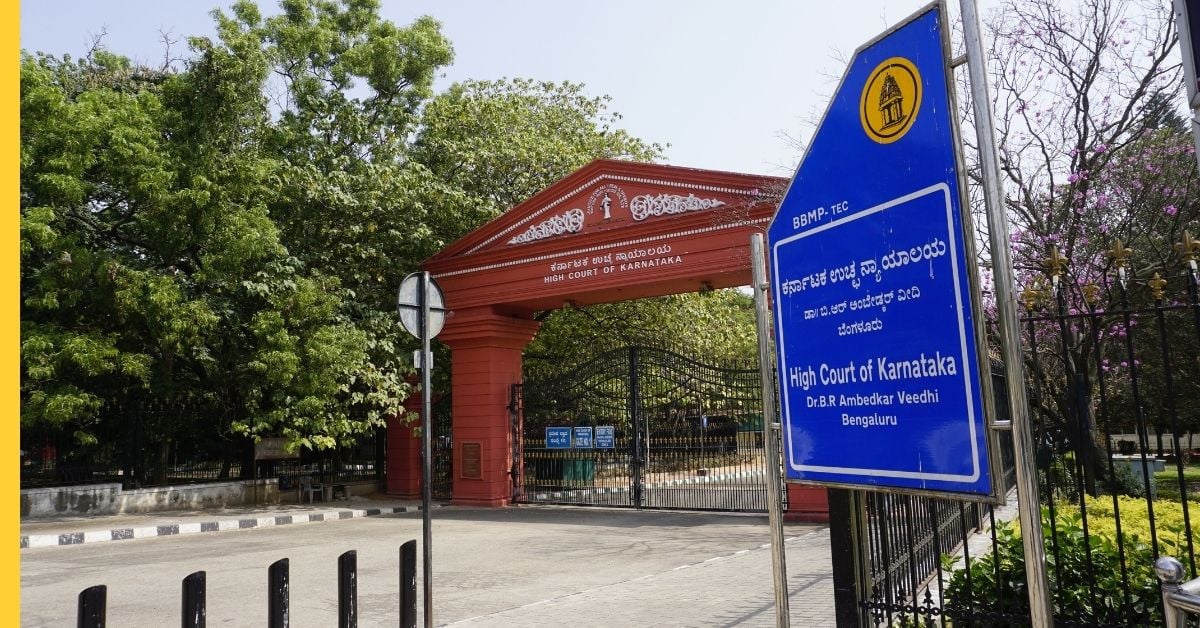
The recently passed India online real money gaming (RMG) ban was hit with its first legal challenge yesterday (28 August).
Filed in southwest India’s High Court of Karnataka by rummy and poker operator A23’s holding company, the document argued the law “criminalises the legitimate business of playing online games of skill, which would result in the closure of various gaming companies overnight”.
The Promotion and Regulation of Online Gaming Bill, introduced by prime minister Narendra Modi’s government last week in reaction to addiction concerns, overnight devastated the country’s dynamic skill-based gaming industry, which had long been distinguished from chance-based gambling games under Indian law.
First reported by Reuters, A23 argued the new law is a product of state paternalism and requested it be declared unconstitutional for games of skill, which in Indian law often means rummy and poker, although the situation previously differed widely between states.
The passage of law, which occurred in a matter of days, has already led to widespread closures, lay-offs and the withdrawal of investments, as RMG companies throughout the sector were left with only free-to-play as a legal business model.
India RMG ban destroys sector overnight
Notably, this has included Flutter’s Junglee Games rummy brand, which the international gaming giant spent over $229m in total acquiring since 2021, including a $67m purchase to bring the shareholding to 100% just in July.
According to a recent press release, Flutter’s Indian business employed 1,100 people and was set to deliver $200m in revenue and $50m EBITDA in 2025, with profits clustered towards the end of the year.
Beyond those owned by multinational giants, before the ban, there were around 400 RMG startups throughout the subcontinent that delivered around $2.3bn in tax revenue.
This included former Indian cricket team sponsor Dream11 and Indian Premier League partner My11Circle.
One likely beneficiary of the ban will be India’s deeply entrenched offshore sector, which, despite being subject to a punishing consumption tax, will now have a complete monopoly on RMG.

