



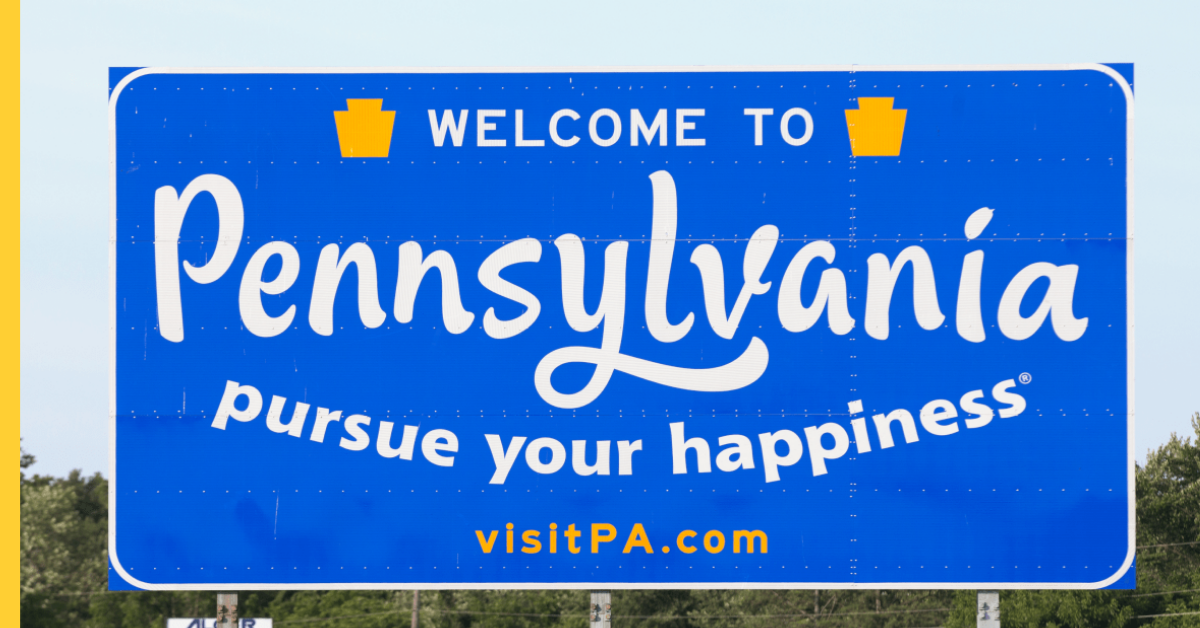
Two Pennsylvania lawmakers have unveiled a bipartisan package of gambling reform bills to restrict operator marketing, ban the use of credit cards for online gambling and strengthen self-exclusion protections.
Representatives Tarik Khan and Jamie Flick said the package is aimed at “addressing problem gambling as a public health issue”. Both have called for stronger protections for consumers in Pennsylvania who gamble online.
Included in the package is the ‘Pennsylvania Online Consumer Protection Act’. This would establish what are described as “reasonable” limits on online gambling deposits within a 24-hour period.
The proposed Act would also restrict certain marketing practices such as push notifications and text message solicitations. In addition, protections against youth-targeted advertising would be strengthened, while there is a commitment to boost investment in prevention, education, treatment and responsible gaming programs.
Khan and Flick also set out plans to prohibit the use of credit cards to fund online gambling accounts. The two lawmakers are set to introduce a House companion to Senate Bill 265, which is also seeking to make it illegal to use credit cards to fund iGaming as well as online, lottery, sports betting and fantasy contests.
Finally, the package includes legislation aimed at strengthening the state’s self-exclusion programme. Through this, operators would not be able to market to consumers who have voluntarily placed themselves on the self-exclusion list. A House companion bill would be put in place to Senate Bill 266, which sets out the same proposals.
Addressing gambling harm as ‘public health issue’
Khan and Flick said when forming the package, they had taken inspiration from bipartisan legislation already introduced in Pennsylvania, as well as in Colorado. In reference to the latter, Colorado Governor Jared Polis this week signed off on a bill placing a similar suite of restrictions on sports betting operators.
The pair added the package would support their wider aim of addressing problem gambling as a public health issue. As such, they said stronger consumer protection measures should be put in place in Pennsylvania.
“As a nurse practitioner, I believe we should address problem gambling the same way we address other public health challenges: with prevention, education, treatment and commonsense safeguards,” Khan said. “Our bipartisan bill package will help protect young people, individuals and families while supporting responsible gaming.”
Flick added: “Too many young people are being exposed to online gambling through constant advertising and unprecedented access from their phones and devices.
“These bills are about putting reasonable safeguards in place, promoting responsible gaming and helping ensure that young people and families are protected from gambling-related harm.”
Pennsylvania has been one of the largest regulated online gambling markets in the US since launching online casino gaming in 2019. The state legalised online gambling under legislation passed in 2017, with the first online casinos going live in July 2019. Online sports betting followed shortly after, with many major operators active in the state.

